
The Department of Labour has intensified its national efforts to combat human trafficking, safe labour mobility, and strengthen employment rights through a series of awareness activities recently carried out across Tanna, Malekula, and Santo from 9 March to 20 March 2026.
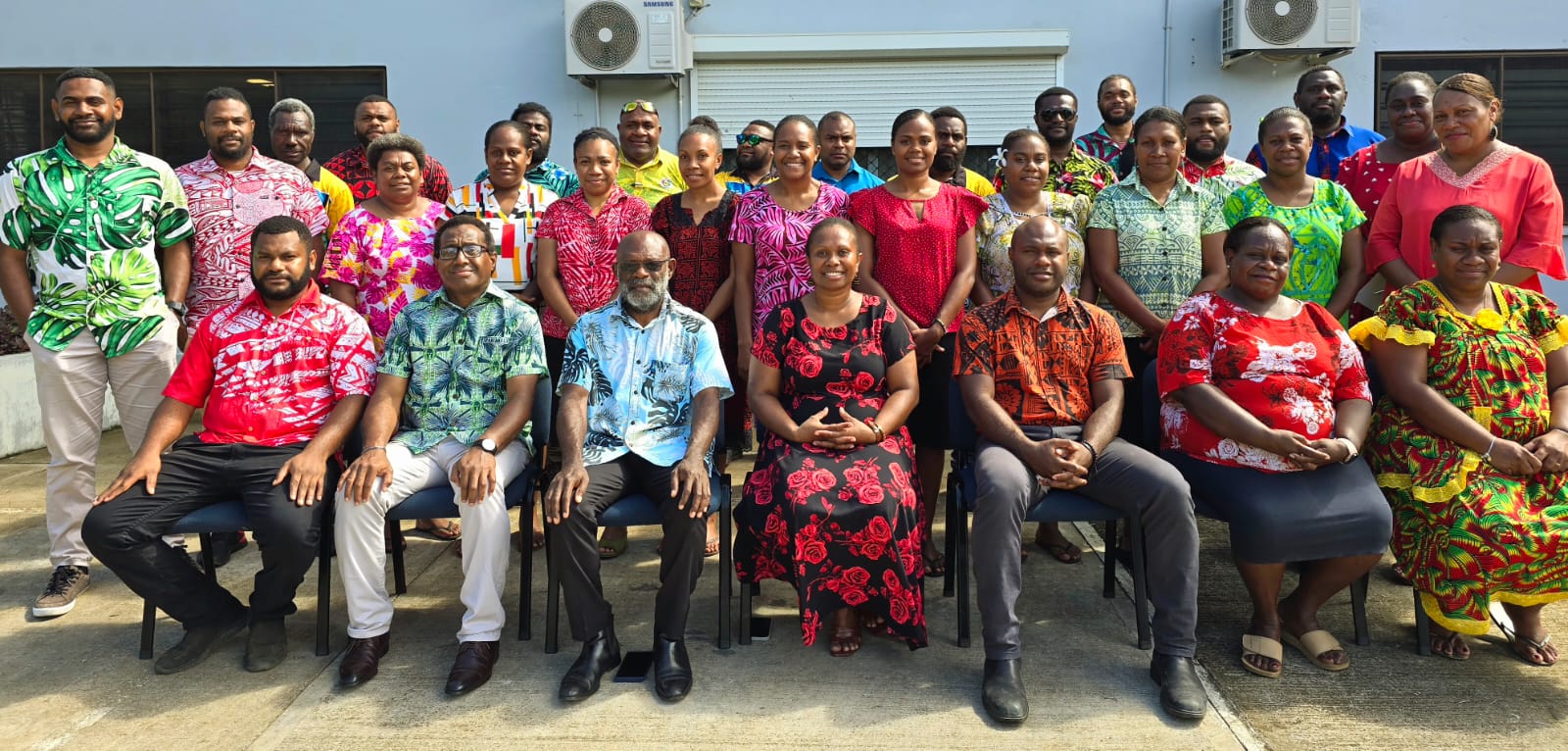
A multidisciplinary team from the department lead by Manager Compliance Gino Kalnpel including ILO technical officer Mr. Mithun Mahanam, spent several days engaging with employers, workers and students as part of its broader mandate to promote safe, fair, and lawful labour practices throughout Vanuatu.
A key focus of the provincial outreach was to raise public understanding of the National Action Plan to Combat Human Trafficking 2024–2028, a strategic framework guiding national responses to prevent trafficking, protect victims, and prosecute offenders. The department emphasized that awareness and early detection remain essential pillars in the fight against human trafficking, particularly in remote and highrisk areas. During the provincial visit, the Labour team engaged in direct communications with employers and workers in Lenakel (Tanna), Luganville (Santo), and Lakatoro (Malekula).
The initiative follows lessons learned from the 2019 Bangladesh human trafficking case, (See Public Prosecutor v Somon (2021); Criminal case 404 of 2019). In that case the Court noted that the expressions “traffic in person” and “slavery” are not defined in the Penal Code Act. It is noted that as international offences and in order to provide further particulars to the charge in compliance with the requirements of the Criminal Procedure Code, the prosecution relies on the two key UN Conventions that have been ratified by Parliament; the UN Convention Against Transnational Organized Crime (12/12/05), and the UN Convention Against Torture and other Cruel Inhuman or Degrading Treatment or Punishment (28/4/11) and their protocols.
By the definition of the offence of Trafficking in Persons under Article 3(a) of the 2000 Protocol to Prevent, Suppress and Punish Trafficking in Persons, there are clearly three key elements that are distinct and may be viewed as (i) an “act” element:- “recruiting, transporting, transferring, harbouring or receiving person)”; (ii) a “means” element:- “threat or use of force or other forms of coercion, of abduction, of fraud, of deception, of abuse of power or of position of vulnerability or of giving or receiving of payments or benefits to achieve the consent of a person having control over another person”; and (iii) a “mental” element:- the purpose of exploitation, that must be present for a situation of trafficking in person (adults) to exist. The first two elements impose particular actus reus requirements, whereas the third element imposes a means rea requirement.
In the wake of that incident, the Department of Labour, alongside key partners has strengthened collaborative efforts to identify, prevent, and address trafficking in persons across the country. Partnerships with stakeholders are crucial in improving monitoring systems, providing timely support to victims, and ensuring labour recruitment pathways remain safe and transparent.
Beyond antitrafficking awareness, the provincial mission also served as an opportunity to meet with workers and employers to assess how labour laws are being implemented on the ground. The team gathered information on workplace challenges, compliance with employment standards, and areas where additional support from government and tripartite partners may be needed. These discussions are expected to contribute to ongoing policy improvements and targeted interventions aimed at strengthening labour governance nationwide.
The team also raise awareness on safe labour mobility and fair recruitment. These efforts are particularly important in the context of Vanuatu, where the Government of Vanuatu has prioritized participation in overseas seasonal labour schemes as a pathway for communities in the outer islands, especially those
highly vulnerable to climate change and facing limited employment opportunities. Labour mobility is increasingly recognized not only as an economic strategy but also as a sustainable development and climate resilience mechanism. As working-age family members engage in mobility schemes abroad, households must be equipped with both disaster preparedness knowledge and reliable, accessible information on safe participation in these programmes.
In addition, the Labour team visited several schools where they conducted career awareness sessions. These talks were designed to encourage students to pursue studies and vocational trainings in fields where the country currently faces workforce shortages. Using up to date labour market data, officers highlighted priority sectors and advised students on emerging opportunities that align with national development
needs.
The team did not manage to do some schools in Sanma and Malampa province as planned due to road conditions and weather. But they remain committed to providing that service to schools in due time. In addition, the Labour team introduced its new national employment platform, “Leba Konect.” The platform allows employers to advertise vacancies for free, while job seekers can also register at no cost. The link to that newly employment platform is the following: https://lebakonect.gov.vu
Labour team strongly encourage Employers to register their job vacancies on that website for free. All we require for the employers is the business licence and an email. For job seekers what we require is a National ID number and a valid email. All data are protected and the website is host by the OGCIO. Any Employer or Job seeker needing assistance can reach out to Labour office through phone on 33130 and speak with Leba Konect Officer Ms. Saphina Ngwele. They can also email on
The team emphasised that Leba Konect is intended to create a more accessible, transparent, and efficient job-matching system for the country, easing recruitment challenges and helping students and job seekers connect directly with available opportunities. In addition, the platform will generate labour market data that supports evidence-based decision making, providing insights into employment trends, skills gaps, and sectoral demand to guide government policy, employer strategies and education planning.
The Department of Labour says the outreach initiative underscores its commitment to protecting the rights and wellbeing of all workers while ensuring young people are well-equipped to make informed decisions about their future career paths. Together, these combined efforts highlight the Department and the International Labour Organization’s joint commitment to safe migration pathways, and addressing labour exploitation in Vanuatu, particularly within a national context where climate change is increasingly shaping livelihoods, vulnerability, and labour mobility patterns, in alignment with international labour standards and human rights frameworks.
The team acknowledged the support received from ILO through the New Zealand government funded Pacific Climate Change Migration and Human Security (PCCMHS) Programmes Phase II jointly implemented by ILOIOM, UNESCAP and UN Human Rights, PDD and PIFS.
Photo with SG Tafea holding posters of the National Action Plan 2024-2028 to combat human trafficking in Vanuatu
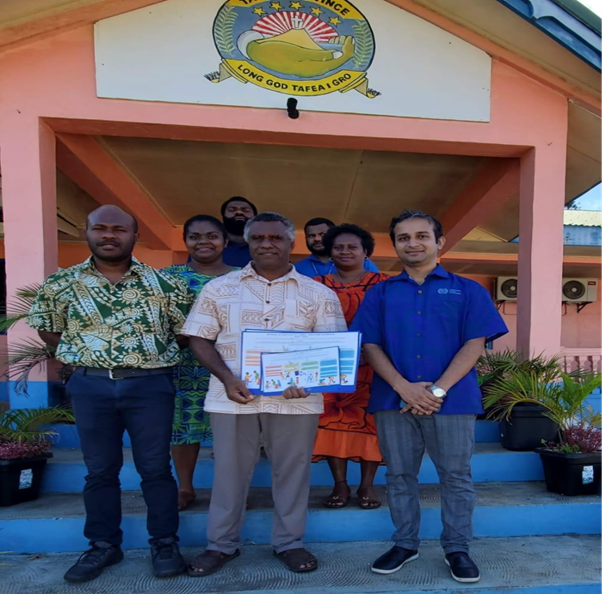
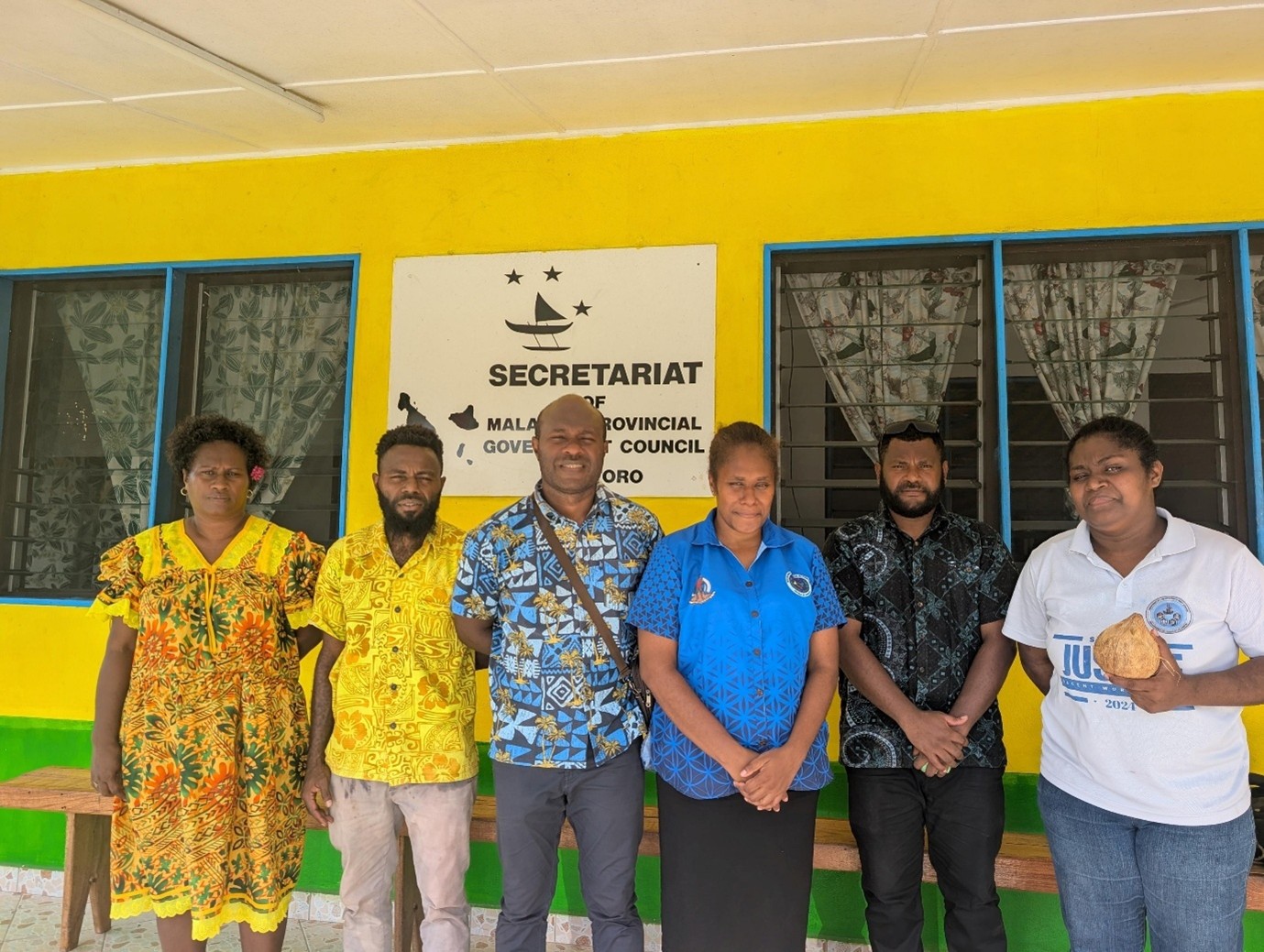
Photo with Acting SG Malampa Province Ms. Flaviana Rory dated 16 March 2026
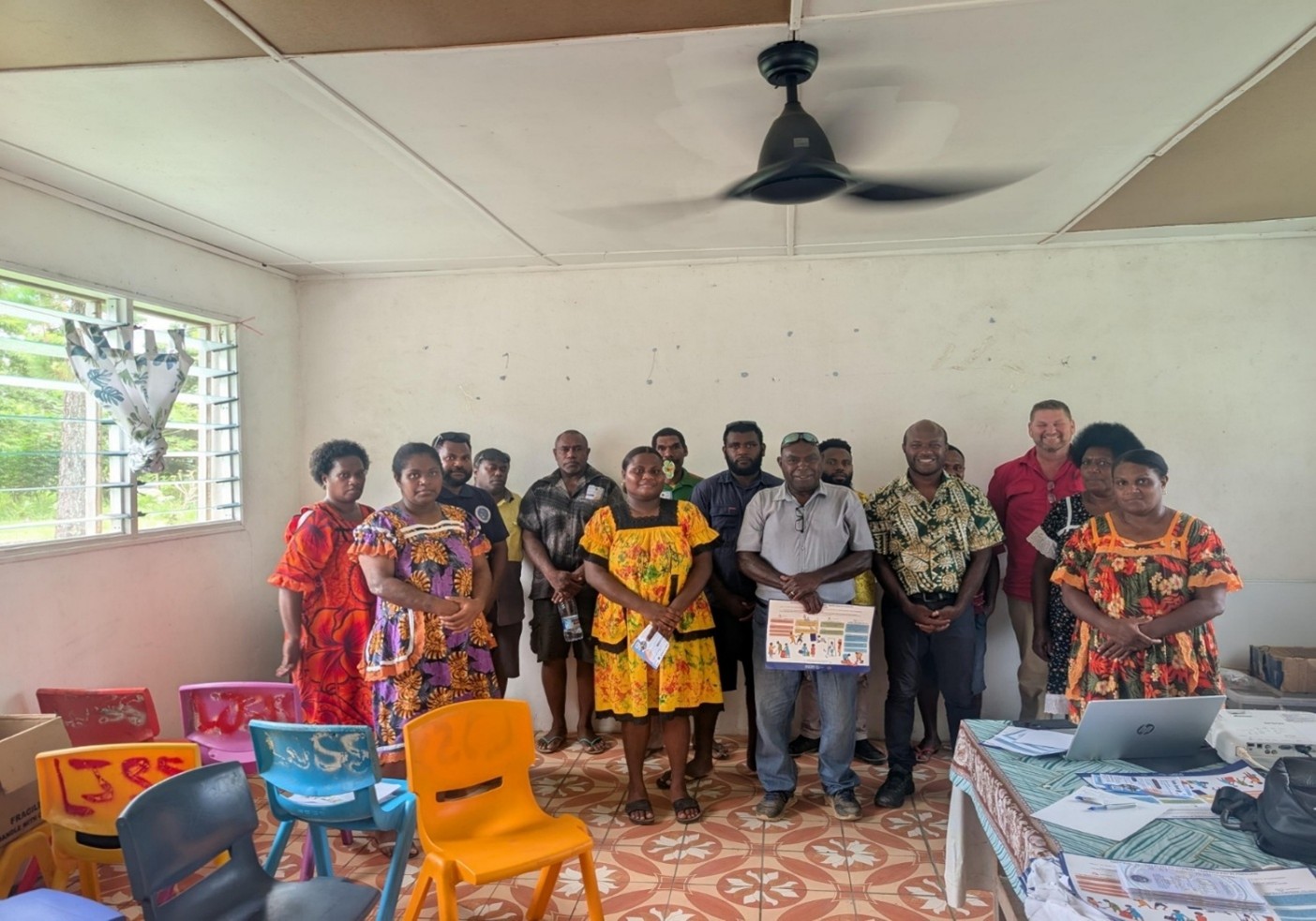
Session with Employers at Lakatoro-17 March 2026
Session with workers in Lakatoro-17 March 2026
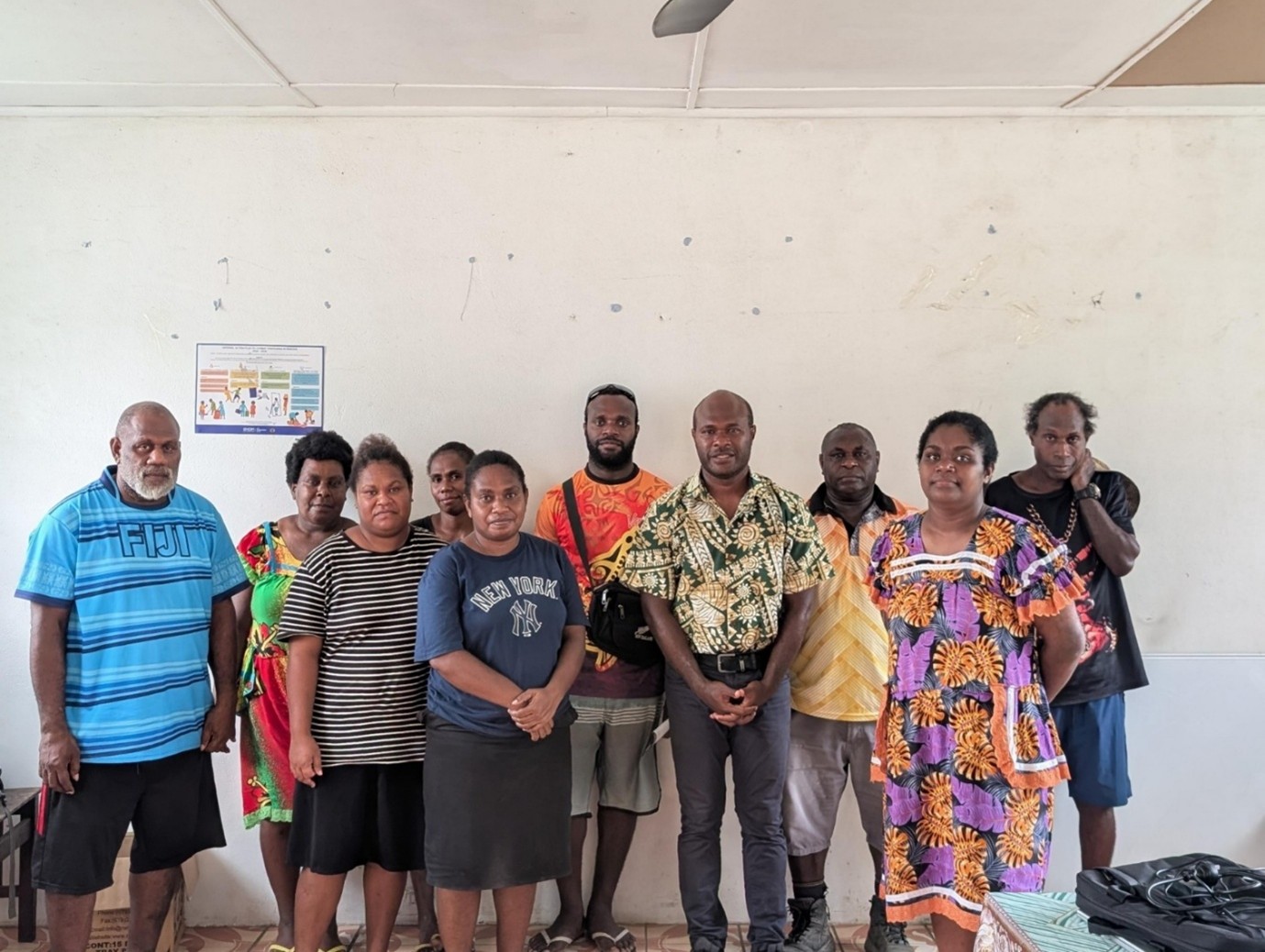
Photo with students at Lakatoro School-16 March 2026
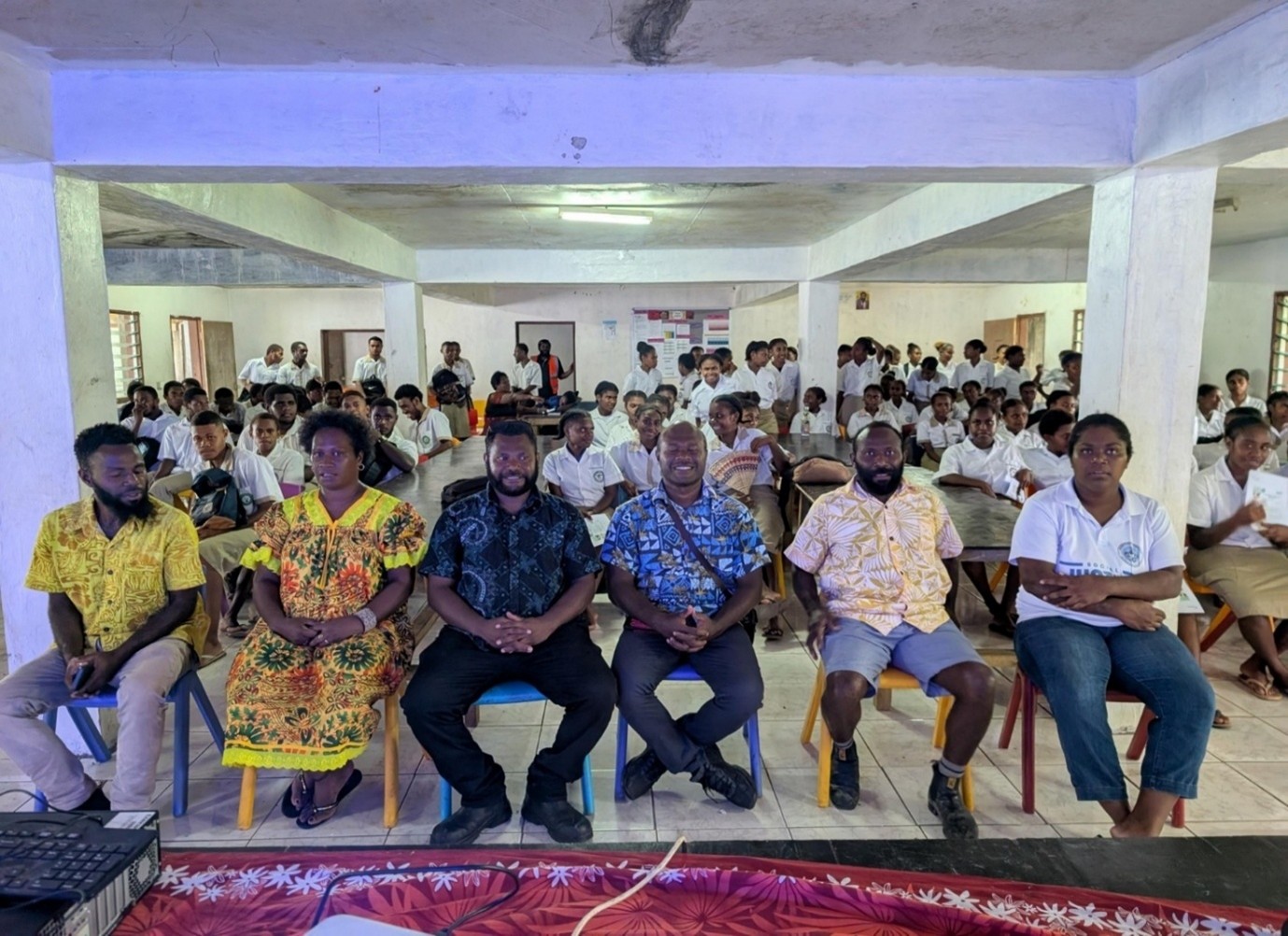
Session with Students at Norsup School-17 March 2026 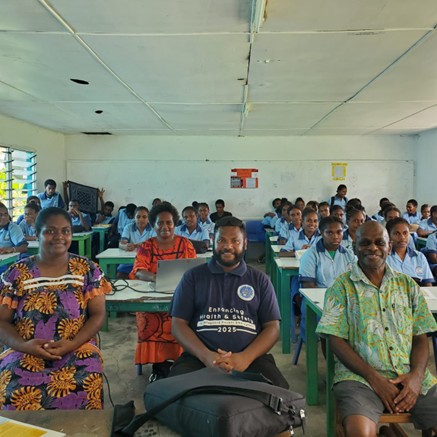
Session with Employers in Santo-19 March 2026
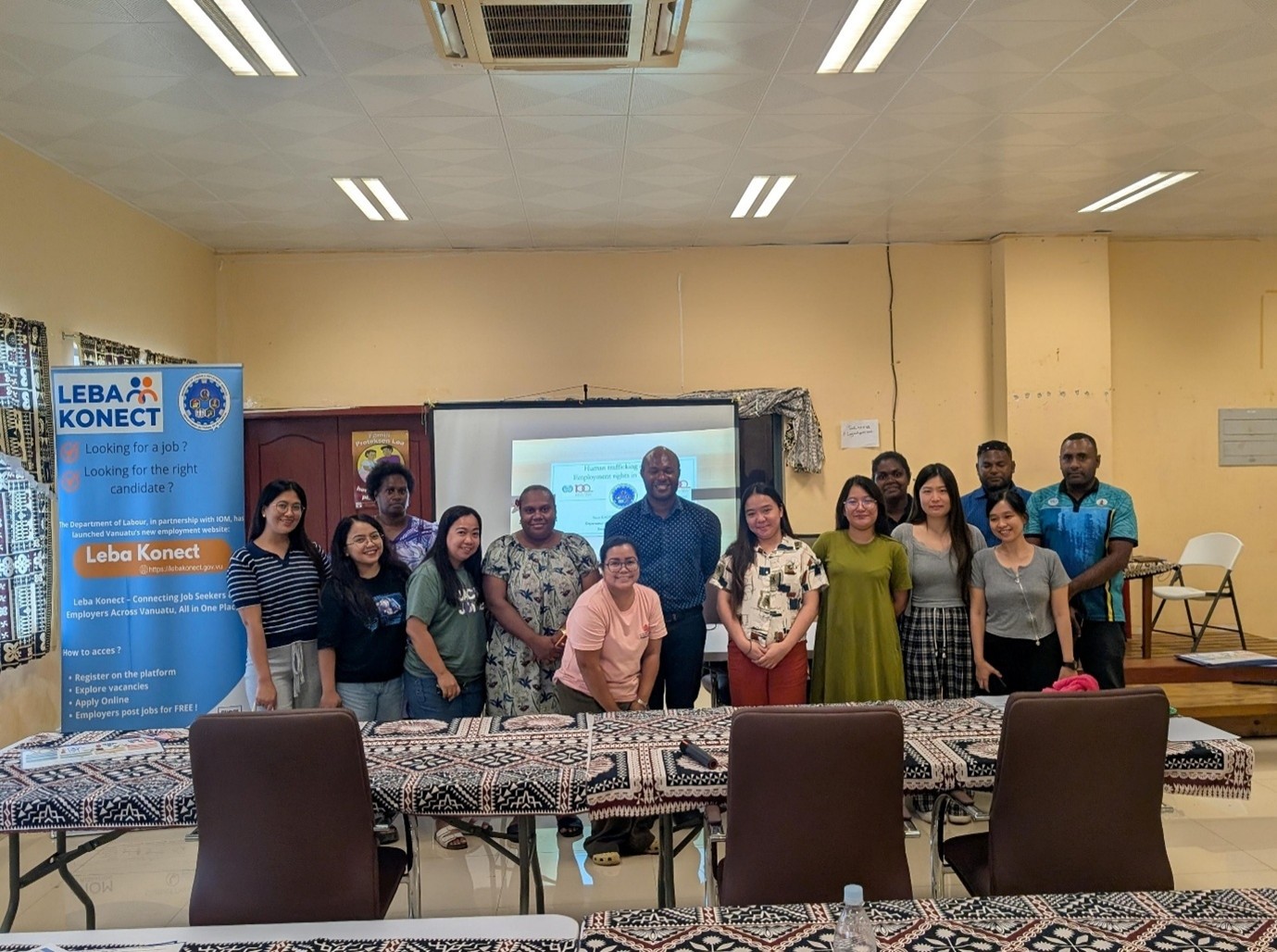
Session with workers in Luganville-19 March 2026
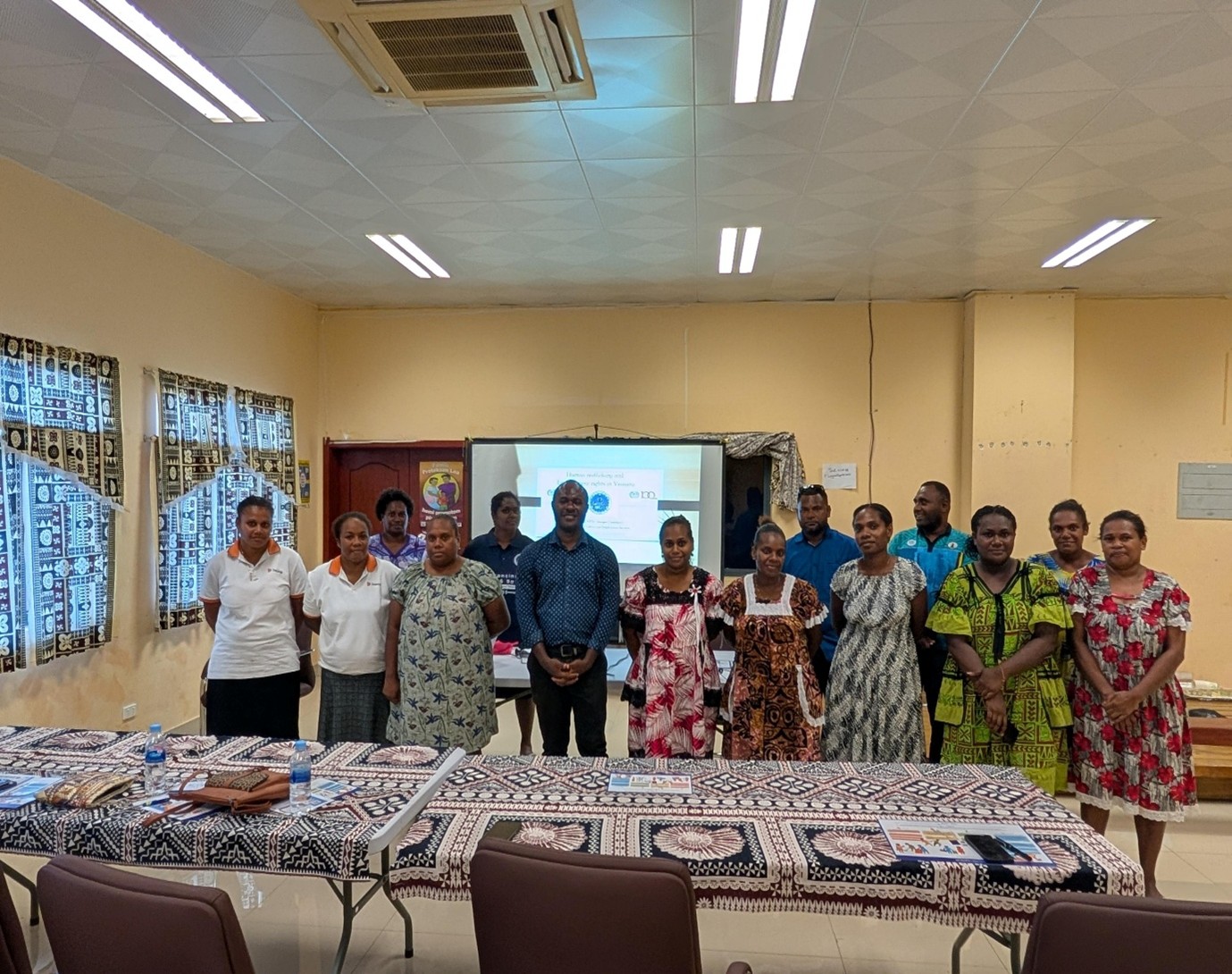
Career talk at Santo East School on 20 March 2026
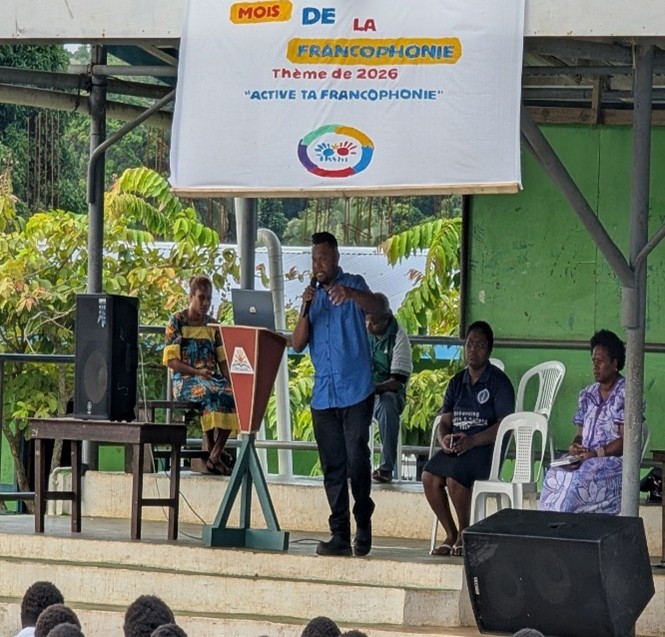
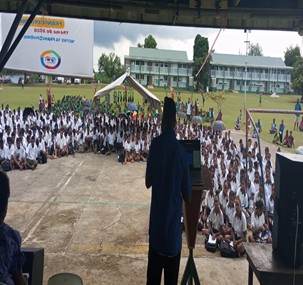
Manager Labour Market North-Mr. John live Solomon handing over “my guide to employment for young people in the Pacific” to Principal of Santo East school.

Employment Services Officer Ms. Saphina Ngwele presenting Career pathways to Students at Bombua School
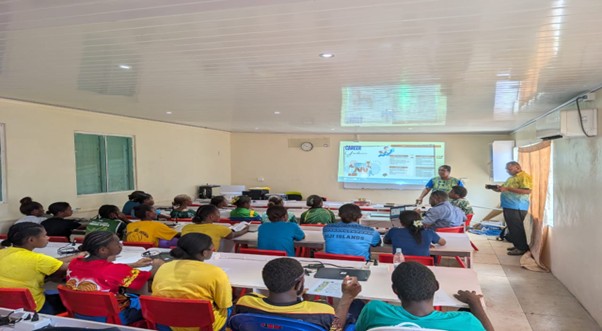
Senior Work Permit Officer Mr. Christopher Hoke preparing the PowerPoint slides for the presentation to students at Bombua School
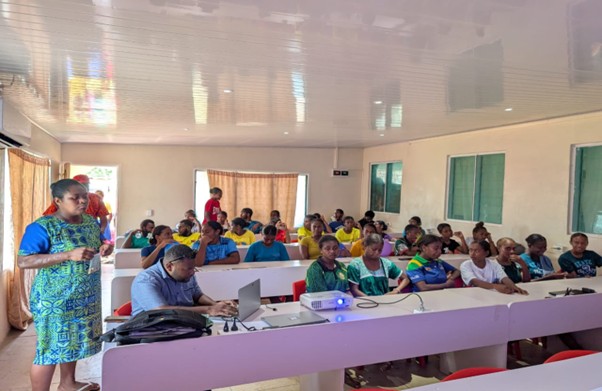
Handing over of the “My Guide to Employment” to a Teacher at Bombua School by Labour Mobility Officer Ms. Christine Wabaiat